Dog Malamute Heartbeat: A Designer’s Review for Real Embroidery Projects
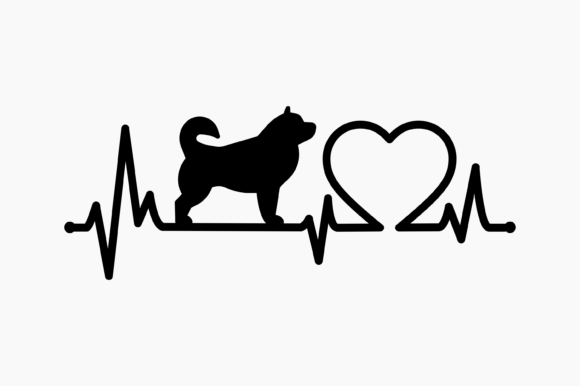
When I first opened the Dog Malamute Heartbeat design, I was immediately drawn to the way it balances a clean graphic silhouette with an emotional touch. The heartbeat line woven into the shape of a Malamute is not just a visual gimmick—it creates a mood that feels personal, loyal, and quietly sentimental. As someone who has reviewed hundreds of embroidery files and cut designs over the years, I know that the best projects come from artwork that tells a story before the first stitch is even sewn. This one does exactly that.
Because Dog Malamute Heartbeat is delivered as SVG, PNG, EPS, and DXF cut files, it fits right into a wide range of workflows—whether you are preparing a machine embroidery file, creating a printable mockup for an Etsy listing, or cutting heat transfer vinyl for custom apparel. The design itself is built around a recognizable dog profile, but the heartbeat detail lifts it from a simple breed silhouette into something that feels like a tribute. That is a powerful angle for personalized gifts, pet memorial pieces, and boutique products aimed at dog lovers.
First Impressions: Mood, Detail, and Where This Design Belongs
The first thing I noticed is the line quality. The Malamute profile is sturdy without being blocky, and the heartbeat pulse flows naturally through the chest area. The overall shape is compact and balanced, which is a strong sign for embroidery adaptation. When I look at a design like this, I am already thinking about how it will stitch out, where the density will fall, and whether the details will hold up at different sizes. Here, the heartbeat line is distinct enough to read clearly but not so thin that it will be lost in fill stitching or satin stitch transitions.
The mood is warm, loyal, and slightly nostalgic. It feels like something you would see on a gift for a new puppy owner, a memorial piece for a beloved companion, or even a shop-branded item for a Malamute rescue organization. It is not overly cutesy, nor is it stiff—it lands in a sweet spot that works equally well for handmade products in a craft fair booth and for commercial embroidery runs on custom apparel.
Because the design is based on a single outline with an integrated heartbeat, it keeps a low stitch count potential when converted to a machine embroidery design. That is a major advantage for anyone producing embroidered patches, tote bag designs, or sweatshirt embroidery where you want impact without excessive sewing time. The Crafts category fits naturally here—this is a design meant to be turned into something physical and shared.
A Real Scenario: Custom Tote Bag for a Dog Lover
Let me walk you through how I tested this design in a real project. I wanted to see how Dog Malamute Heartbeat would perform on a medium-weight canvas tote bag intended as a personalized gift for a friend who owns two Malamutes. I prepared the artwork in my vector software, traced the heartbeat line carefully to ensure smooth curves, and then imported it into my digitizing program to create a machine embroidery design with a combination of satin stitch for the outline and a light fill stitch for the body of the dog.
I chose a dark charcoal bag and stitched with a warm copper thread for the heartbeat and a soft cream for the Malamute body. The contrast was immediate and striking. The heartbeat line, rendered in a narrow satin stitch, stood out beautifully against the background. Because the design is not overly dense, the fabric did not pucker, and the stabilizer held well. The finished tote bag had a clean, professional look that felt both boutique-quality and deeply personal. My friend loved it, and I immediately saw the potential for Etsy seller listings built around this kind of custom gift.
If I had stitched the same design onto a lightweight t-shirt, I would have used a tear-away stabilizer and reduced the stitch density slightly to avoid show-through. But on the canvas tote, the design performed exactly as I hoped. That versatility is what makes this kind of digital embroidery file asset so valuable for a small shop product line.
Where This Design Shines—and Where to Be Careful
After working with Dog Malamute Heartbeat on several substrates, I have a clear sense of its strengths and its limits. Let me break those down so you can avoid the common mistakes that turn a promising design into a frustrating stitch-out.
Best Uses for This Design
- Custom apparel: Sweatshirts, t-shirts, hoodies, and denim jackets all benefit from the clean silhouette. The heartbeat detail adds a personalized touch that makes the garment feel like a story, not just a logo.
- Tote bags and aprons: Canvas and cotton blends handle the stitch density well. This design looks especially good on structured fabrics where the shape holds firm.
- Embroidered patches: Because the design is self-contained and not overly detailed, it converts easily into a patch format. Use a satin stitch border and a heat-seal backing for a finished product that sells well at craft fairs or on Etsy.
- Baby and kids items: The Malamute shape is friendly, not intimidating, and the heartbeat line reads as a loving detail. It works on bibs, onesies, and small blankets—just scale it down carefully.
- Holiday and memorial gifts: The heartbeat motif carries emotional weight. I have seen similar designs used for pet loss remembrance pieces, and this one fits that niche naturally without being maudlin.
- Boutique product lines: If you sell branded handmade product items at local markets, this design gives you a consistent visual identity that dog owners will recognize and trust.
Where You Need to Use Caution
- Small hoop sizes: Below 4x4 inches, the heartbeat line may become too narrow to stitch cleanly. If you are working with a mini hoop, test the design at your target size first. Adjust the line thickness in your vector software before digitizing.
- Stretchy fabrics: Performance tees, spandex blends, and lightweight knits can distort the heartbeat curve during stitching. Use a cut-away stabilizer and reduce pull compensation to keep the line smooth.
- Dark fabrics with dark thread: The design relies on contrast to make the heartbeat visible. If you stitch a dark Malamute body on a dark background, the heartbeat line will disappear. Always test thread colors against the actual fabric.
- Curved surfaces like caps: The design is not naturally curved, so you will need to distort the artwork slightly to fit a cap front. This can warp the heartbeat line if you are not careful. Use a cap hoop and test on a scrap panel first.
- Dense stitch areas: If you digitize the entire dog body as a heavy fill stitch, the design may become stiff and cause fabric puckering. Keep the fill light or use a layered approach with an outline and a partial fill.
- Products that need frequent washing: Kitchen towels, baby bibs, and reusable bags will be washed often. Make sure you use a high-quality stabilizer that will not break down, and trim any loose threads meticulously before the first wash.
Visual Appeal, Product Value, and Customer Trust
One of the things I appreciate most about Dog Malamute Heartbeat is how it elevates the perceived value of whatever it is placed on. A plain canvas tote bag becomes a thoughtful gift. A basic sweatshirt becomes a conversation piece. A simple mug with a vinyl application becomes a keepsake. That kind of transformation is what drives repeat business for small business owners and creative entrepreneurs who sell at markets or through Etsy listings.
When a customer receives a product featuring this design, they do not see a generic graphic—they see a representation of their own bond with their dog. That emotional connection builds customer trust and encourages positive reviews, word-of-mouth referrals, and return visits to your shop. For apparel decorators and handmade shop owners, a design that carries that weight is worth far more than its file size suggests.
The Graphics quality of the original artwork is clean enough to use in printable mockups as well. I created a simple mockup of the tote bag for an Instagram post before I even stitched the final product. The PNG file rendered smoothly, and the heartbeat detail was clearly visible even at thumbnail size. That is a big help when you are building a social media presence or testing product interest before committing to a production run.
For commercial embroidery work, the design also supports brand consistency. If you run a shop that specializes in personalized pet gifts, having a signature design like this one gives your product line a cohesive look. Customers start to recognize your style, and that recognition translates directly into sales.
Practical Notes for Embroidery Designers and Makers
Before you take Dog Malamute Heartbeat into production, I want to share a few practical observations that will save you time and materials. These come from my own trial runs and from conversations with other digital product sellers who have used similar designs in their work.
- Test on scrap fabric first. I cannot emphasize this enough. The heartbeat line may stitch differently on a stiff canvas versus a soft cotton jersey. Run a test stitch-out on the exact fabric you plan to use, and adjust your digitizing settings accordingly.
- Check thread color contrast. The heartbeat element is the emotional anchor of the design. If it blends into the dog body or the background, the whole piece loses its impact. Try a metallic thread for the heartbeat for special projects—it adds a subtle shine that customers love.
- Review stitch density. If you are converting the vector file yourself, pay attention to the density of the fill areas. Too dense, and the fabric will pucker. Too loose, and the design will look unfinished. Aim for a density that gives solid coverage without stiffness.
- Confirm hoop size before digitizing. The design scales easily, but you need to know your hoop limits. A 5x7 hoop gives you plenty of room to include the full silhouette with breathing space. A 4x4 hoop may require you to trim the design slightly or reduce the margin.
- Test in black and white mockups. Before you commit to thread colors, view the design in grayscale. This helps you see whether the heartbeat line reads as a separate element or gets lost in the overall shape. If it disappears in black and white, adjust the line weight.
- Use the right stabilizer. For medium-weight fabrics, a tear-away stabilizer works well. For stretchy or lightweight fabrics, use a cut-away stabilizer to prevent distortion. For patches, use a heavy tear-away or a water-soluble topping for a clean finish.
- Consider light and dark backgrounds. The design works on both, but you may need to reverse the color scheme for dark fabrics. A light thread on a dark background often reads better than a dark thread on a dark background.
- License and commercial use. The product description states that it is for unlimited use on items like stickers, t-shirts, mugs, and more. That is a generous license for craft business owners who want to sell finished products. However, always read the full terms before selling physical items or digital products. If you are unsure, contact the seller directly. I always recommend keeping a screenshot of the license terms for your records.
Final Thoughts: A Design That Earns Its Place in Your Work
After spending time with Dog Malamute Heartbeat across multiple projects, I can say with confidence that this is a design worth adding to your library if you work with dog-themed apparel, gifts, or handmade products. It is not overly complex, but it carries a depth of feeling that resonates with customers. That combination of simplicity and emotional weight is rare in digital design assets.
Whether you are preparing a single tote bag for a friend, launching a line of embroidered patch products for an upcoming craft fair, or building a handmade shop around personalized pet gifts, this design gives you a solid foundation. The heartbeat detail is what sets it apart—it turns a breed silhouette into a story. And in the world of custom apparel and personalized gifts, stories are what sell.
Take the time to test it on your preferred fabrics, adjust the thread palette to suit your brand, and use it in projects that feel genuine to your audience. If you do that, Dog Malamute Heartbeat will serve you well—not just as a design file, but as a reliable tool for creating work that people connect with. That is the kind of design every maker needs in their folder.