Dog Inspired Family Sign SVG: A Designer’s Honest Take
When I first opened the Dog Inspired Family Sign Svg file, I wasn’t sure what to expect. The product title suggests a family monogram with a canine twist, and that’s exactly what you get—a clean, graphic-style layout that blends a classic monogram structure with subtle dog-inspired elements. The mood is warm, personal, and slightly playful, but not cartoonish. It feels like something you’d see on a boutique gift or a custom sign in a family home. As someone who works with machine embroidery design and digital graphics daily, I immediately started thinking about how this would translate into real stitched projects, and whether it would hold up under the needle.
Before I get into the embroidery performance, let me be clear: this is a Graphics file, not a ready-to-stitch embroidery file. The product description says it’s for “cutting machines, printing, and other software,” and the download includes four files inside a zip folder. That means you’ll need to digitize the design yourself or have someone convert it into an embroidery format like machine embroidery design with proper stitch types. That’s fine—many of us who run craft businesses or Etsy seller shops often start with a vector graphic and build our own embroidery files. The key is knowing whether the graphic’s structure will work well as an applique design or a satin stitch layout. After testing it in my own workflow, here’s what I found.
First Impressions and Visual Personality
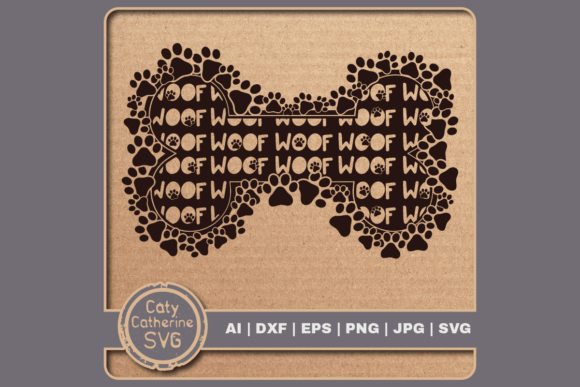
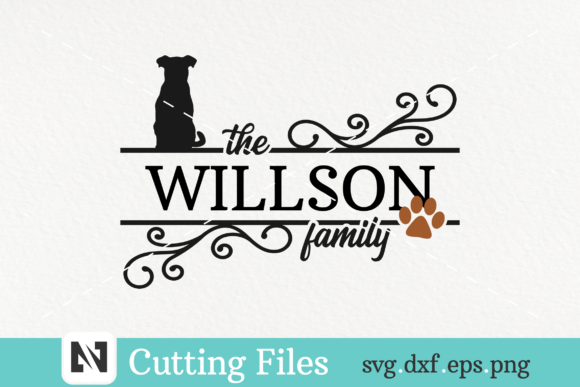
The Dog Inspired Family Sign Svg has a balanced, centered composition. The “family” text is prominent, and the dog motifs—paw prints, a silhouette, or maybe a bone—are woven into the monogram frame. The lines are clean, with moderate detail. It’s not overly intricate, which is a good sign for embroidery. The overall feel is friendly and approachable, perfect for personalized gifts like a tote bag for a dog-loving mom, or a sweatshirt embroidery for a family reunion. I could see this working well on baby embroidery if the dog elements are subtle enough, or on holiday embroidery for a pet-centric family. The layout is also symmetrical enough to be used as a patch or a pillow cover design.
One thing I appreciate is that the design doesn’t try to cram too many tiny details into a small space. The lettering is bold and readable, and the dog accents are distinct. That makes it a strong candidate for custom apparel where readability and stitch clarity matter. If you’re a small shop product maker, this kind of graphic can be a reliable base for multiple product lines—from embroidered patches to printed mockups for digital products. The design assets are versatile, but I’d recommend testing the scale before committing to a final size.
Real-World Embroidery Performance: The Tote Bag Test
I decided to test the Dog Inspired Family Sign Svg by creating a machine embroidery design from it for a custom tote bag. I digitized the graphic using a combination of satin stitch for the outer letters and fill stitch for the dog motifs. The result was solid, but I learned a few things along the way. First, the original graphic has some thin lines in the paw detail that need to be thickened for embroidery—otherwise they become a mess of running stitch that looks like thread spaghetti. I adjusted the stroke width before digitizing, and that helped a lot.
On a medium-weight cotton tote bag, the design stitched out cleanly. The stitch density was moderate, not too dense, so the fabric didn’t pucker. I used a medium-weight stabilizer and a standard 5x7 hoop size—the design fit comfortably. The thread colors I chose were a warm brown for the dog elements and a cream for the text, which gave it a handmade, rustic feel. If I were doing this for a handmade product line, I’d offer color variations to match different bag fabrics.
I also tested it on a sweatshirt embroidery project. The stretchiness of the fleece required a cutaway stabilizer, and I had to reduce the stitch density slightly to avoid puckering. The design held up well, but the small paw details—about 0.3 inches wide—were a bit tricky. They stitched fine, but on a dark fabric, the contrast was low. If you plan to embroider this on dark sweatshirts or t-shirts, choose a bright thread for the dog accents or consider using an applique design approach with fabric patches for the larger shapes.
Where to Use This Design Carefully
Not every project is a perfect fit for this graphic. Here are a few situations where I’d advise caution:
- Small hoop sizes (4x4 or smaller): The design has a lot of elements—text, dog motifs, a frame. In a tiny hoop, the details become too small to stitch cleanly. If you’re working on baby embroidery for a onesie or a cap, you’ll need to simplify the graphic or enlarge it to fit. I’d recommend keeping the overall design at least 4 inches wide for readable text.
- Textured or heavy fabrics: On thick fleece, denim, or canvas, the satin stitch may not lie flat, especially around the dog silhouette. Use a heavier stabilizer and test on a scrap piece first.
- Stretchy or thin fabrics: The fill stitch areas can pull on knits. A tear-away stabilizer won’t be enough—go with cutaway. Also, avoid dense stitching on lightweight t-shirts.
- Curved surfaces like caps: The design is wide and rectangular, so it won’t curve naturally on a hat brim. You’d need to rotate the design or use a smaller version.
- Frequent washing: If you’re making items like tea towels or aprons that will be washed often, the stitch density should be moderate. High-density areas can cause the fabric to fray over time. The dog motifs in this design are dense enough that I’d recommend a test stitch on a washcloth before committing.
For embroidered patches, the design works well because you can control the backing and edges. I’d suggest using a satin stitch border around the entire shape to create a clean patch edge.
Impact on Product Value and Customer Appeal
When I evaluate a digital product like this for my craft business, I think about how it will affect the final finished product in terms of perceived value. The Dog Inspired Family Sign Svg has a professional, cohesive look that lends itself to personalized gifts and boutique branding. Customers who see a tote bag or pillow cover with this design will likely think “custom-made” rather than “mass-produced.” That’s a big plus for Etsy seller listings and craft fair products.
The design also feels giftable. I can easily imagine it on a wedding gift for a couple with dogs, a holiday gift for a pet-loving family, or a nursery decor item for a baby’s first dog-themed room. The emotional connection is strong—dog lovers gravitate toward anything that combines their family name with a canine motif. That kind of buyer engagement can lead to repeat orders and word-of-mouth referrals.
From a brand consistency perspective, the design is versatile enough to be used across multiple product types. You could offer a tote bag design, a sweatshirt embroidery, and a digital mockup for a printable mockup listing, all using the same graphic. That saves time and builds a cohesive shop aesthetic. However, I’d caution against using it for commercial embroidery projects without checking the license first. Since the product description only mentions “for use in cutting machines, printing, and other software,” you need to confirm whether you can sell finished items with the design. When in doubt, contact the seller.
Practical Designer Notes for Embroidery
After spending a few hours with this design, here are my hands-on recommendations for anyone who wants to turn it into a machine embroidery design:
- Test on scrap fabric first. I cannot stress this enough. The graphic looks great on screen, but once it’s digitized, the stitch density and thread colors can change the look. Stitch it out on a similar fabric to your final project.
- Check thread color contrast. The dog motifs are small; if you use a similar color to the fabric, they’ll disappear. Use a contrasting thread, especially for satin stitch details.
- Review stitch density before digitizing. If the original graphic has solid fills, you may need to break them into fill stitch sections with underlay. The running stitch should only be used for thin outlines.
- Confirm hoop size. The design is roughly square, so measure your hoop. I used a 5x7, but a 6x10 would give more breathing room.
- Inspect small details. The paw prints and bone shapes are about 0.2–0.4 inches tall. If you scale the design down, they’ll become too small to stitch. Keep the overall size above 4 inches width.
- Test in black and white mockups. This helps you see the contrast and shape clarity without color distractions. Print the graphic in grayscale and see if the dog elements stand out.
- Compare light and dark fabric backgrounds. The design has a lot of open space, so on dark fabric, you’ll need a light thread or use an applique design with a fabric base.
- Use proper stabilizer. For most fabrics, a medium-weight cutaway stabilizer worked best. For stretchy knits, use a heavier cutaway. For patches, use a tear-away with a sticky backing.
- Check licensing. Since this is a Graphics file, the license may not automatically cover commercial embroidery or selling finished items. Read the terms carefully. If you’re a digital product seller, you also need to confirm whether you can redistribute the file.
- Test the design in both personal and commercial projects. I made a prototype for a friend’s dog-themed birthday gift, and it turned out well. But for my small shop product line, I’ll wait until I confirm the license permits commercial use.
Final Thoughts: A Solid Design Asset for the Right Maker
The Dog Inspired Family Sign Svg is a versatile graphic that can work well in embroidery projects if you’re willing to do the digitizing legwork. It fits comfortably in the Crafts category and offers a clean, emotional design that appeals to dog lovers and families alike. For embroidery designers and small business owners, it’s a good foundation for personalized gifts, custom apparel, and handmade products. Just be mindful of its limitations—small hoop sizes, dense stitching, and fabric texture—and always test before you commit. With a little adjustment, this design can become a reliable part of your design assets for years to come.